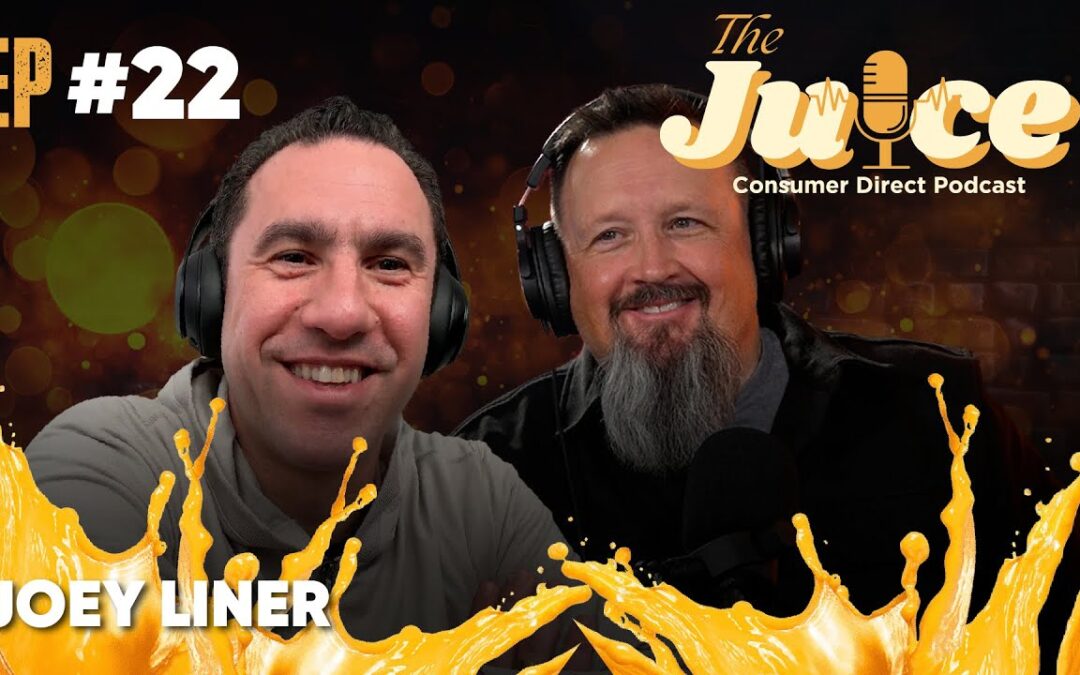
The 11th Circuit's last-minute delay of the FCC's 1-to-1 consent rule sent shockwaves through performance marketing — budgets jumped, hiring freezes thawed, and brands suddenly realized how much they'd learned about their own lead flows. Industry veteran Joey Liner unpacks what it all means for compliance, consumer experience, and where the real growth opportunities lie in 2025.
Listen wherever you get your podcasts
Key takeaways
- The 11th Circuit's delay of the FCC 1-to-1 consent rule was last-minute but decisive — the rule cannot be incorporated into the TCPA without Supreme Court action, which is considered very unlikely.
- Brands learned a great deal about their lead-flow positioning during compliance prep and are expected to push for voluntary transparency reforms even without a legal requirement.
- The FTC's recordkeeping rule is now the industry's next major compliance focus following the 1-to-1 ruling delay.
- Professional TCPA litigants exploiting the private right of action remain a costly threat to legitimate performance marketers, even after the ruling reversal.
- Hiring freezes and executive-level layoffs in anticipation of the rule are expected to reverse quickly, with lead generators reopening roles in the weeks ahead.
- Auto insurance, consumer finance, and home services are the three verticals identified as having the strongest growth tailwinds in 2025.
- Existing TCPA obligations are unchanged — the ruling reversal does not create a regulatory free-for-all for lead generators.
The 1-to-1 Consent Ruling Delay: What Actually Happened
On a Friday afternoon, with legal teams already drafting compliance memos, the 11th Circuit Court threw out the FCC’s 1-to-1 consent rule — a regulation that would have required consumers to individually opt in to each brand contacting them. The ruling was set to take effect in January 2025 but was delayed at least a year, triggering an immediate wave of optimism across the lead generation industry. Budgets increased almost overnight, and companies that had been planning for reduced volume began signaling they were ready to grow again.
What Brands Learned From the Process
Despite the relief, Joey Liner argues the industry shouldn’t simply revert to old habits. The compliance preparation period forced brands to confront exactly how their names were being positioned inside lead generation flows — many for the first time. The key insight: the long marketing-partners list is too opaque for consumers, and major brands know it. Liner expects brands to push for middle-ground reforms even without a legal mandate, such as limiting the number of names on partner lists or surfacing brand names near the submit button using the matching technology lead generators already built.
TCPA, Trade Organizations & What Comes Next
The Insurance Marketing Coalition (IMC) was widely credited with engineering the legal challenge that led to the delay. Meanwhile, REACH — founded by prominent TCPA attorney Eric Troutman — continues to focus on protecting legitimate call traffic from carrier blocking while working with regulators at the state level. Liner notes that the FTC’s recordkeeping rule is now the next compliance issue the industry must prepare for. He also stresses that the ruling’s reversal doesn’t eliminate existing TCPA obligations: everything illegal before the ruling was thrown out remains illegal.
The Private Right of Action Problem
One persistent frustration: professional TCPA litigants who exploit the private right of action to extract settlements from legitimate businesses. Hosts and Liner point to cases where companies spend tens of thousands in legal fees to defend a single dial, even with documented consent via tools like TrustedForm. Capping damages or restricting frivolous suits was floated as a reform worth pursuing now that the industry has political momentum.
Job Market Impact & Liner Connections
The anticipation of the 1-to-1 rule triggered real job losses at the executive and director level, along with hiring freezes at major lead generators. Liner launched Liner Connections to leverage his two decades in performance marketing — connecting buyers, sellers, and service providers across verticals including insurance, home services, consumer finance, and education. The recruiting arm grew organically from consulting relationships, and Liner expects the hiring freeze to lift quickly as companies rebuild for growth.
Verticals Positioned for 2025 Growth
- Auto insurance: The widest consumer audience; carriers led by Progressive began aggressively re-entering the market in mid-2024.
- Consumer finance: Debt consolidation, personal loans, and home-equity products remain in high demand.
- Home services: Roofing, flooring, and windows are growing as homeowners invest in existing properties rather than trade up.
- Mortgage: Expected to see a significant growth spurt through 2025 as rate sentiment shifts.
Everything that was illegal on Friday is still going to be illegal on Monday.
— Joey Liner
If my mom was going through a Medicare application, how would you want her to feel and be treated? Personalize this experience as a consumer going through this journey.
— Joey Liner
There's going to be some middle ground — maybe you can list my brand by the submit button and just mention that they are, because the lead generators have already invested so much technology into this matching process.
— Joey Liner
We all already operate under the TCPA as it stands today — we can play on the current TCPA rules compliantly and advise our clients around that.
— Joey Liner
Episode chapters
- 00:11 — Introductions & the 1-to-1 Consent Ruling Delay
- 01:54 — Budget & Volume Reactions Across the Industry
- 04:12 — What Brands Learned About Their Lead Flows
- 07:44 — Industry Webinars, IMC, and TCPA Clarifications
- 12:03 — Trade Organizations: REACH, IMC & Regulatory Outlook
- 19:42 — Consumer Experience & the Case for Reform
- 21:07 — TCPA Private Right of Action & Frivolous Lawsuits
- 22:07 — Job Market Impact & Hiring Freezes
- 26:06 — Liner Connections: Consulting & Recruiting Business
- 30:33 — 2025 Growth Verticals: Auto Insurance, Finance & Home Services
Frequently asked questions
What is the 1-to-1 consent rule and why was it delayed?
The FCC's 1-to-1 consent rule would have required consumers to individually check a box for each brand they authorized to contact them via lead generation forms. The 11th Circuit Court delayed it by at least a year after finding it overreached, and the court clarified it cannot be incorporated into the TCPA moving forward without Supreme Court action.
Does the 1-to-1 ruling delay mean lead generators can ignore TCPA rules?
No. As industry attorney Eric Troutman emphasized, everything that was illegal before the ruling was thrown out remains illegal. Lead generators still must comply with existing TCPA clear-expressed-consent requirements, including the mobile provision.
What is the FTC recordkeeping rule and why does it matter for lead generation?
The FTC's recordkeeping rule requires businesses to retain documentation of consumer consent and marketing activities. With the 1-to-1 rule now off the table, industry observers expect this rule to become the next major compliance focus for lead generators and buyers.
What is REACH and what role does it play in the lead generation industry?
REACH is a trade organization founded by TCPA attorney Eric Troutman. It works with regulators to protect legitimate consumer-consented call traffic from carrier blocking, advocates for industry standards, and monitors emerging state-level restrictions on lead generation practices.
What is Liner Connections and what services does it offer?
Liner Connections is a consulting and recruiting firm founded by Joey Liner that connects buyers, sellers, and service providers across performance marketing verticals including insurance, home services, consumer finance, and education. It also places executive and director-level talent within the lead generation industry.
Which lead generation verticals are expected to grow most in 2025?
Auto insurance is seen as the highest-potential vertical due to its broad consumer base and carrier re-entry led by Progressive. Consumer finance (personal loans, home equity, debt consolidation) and home services (roofing, flooring, windows) are also identified as strong growth categories.