A 6–7% attrition rate at a sales contact center sounds impossible—until you hear how Squeeze built it. Jacob Thorpe, Carson Poppenger, and Justin Jump break down the recruiting filters, incentive structures, and accountability systems that make it real.
Listen wherever you get your podcasts
Key takeaways
- Coachability and reliability are the two traits Squeeze prioritizes above all others in sales hiring—skills can be developed, but character cannot.
- 87% of new hires hit a performance bonus in week one, validating the hiring and onboarding process.
- Incentive plans should reward attainable performance at every level; unattainable bonus thresholds drive attrition before goals are ever reached.
- A quality 'kicker' that reduces commission for non-compliant performance keeps incentives aligned with client-side quality.
- Radical transparency—visible leaderboards, daily GM calls—makes accountability nearly self-enforcing and exposes blame-shifting quickly.
- Top performers need QA and coaching attention too; outlier results can signal compliance risk or non-repeatable methods.
- Addressing cultural or performance issues immediately prevents small friction points from eroding team trust and leadership credibility.
What It Actually Takes to Build a High-Performance Sales Culture
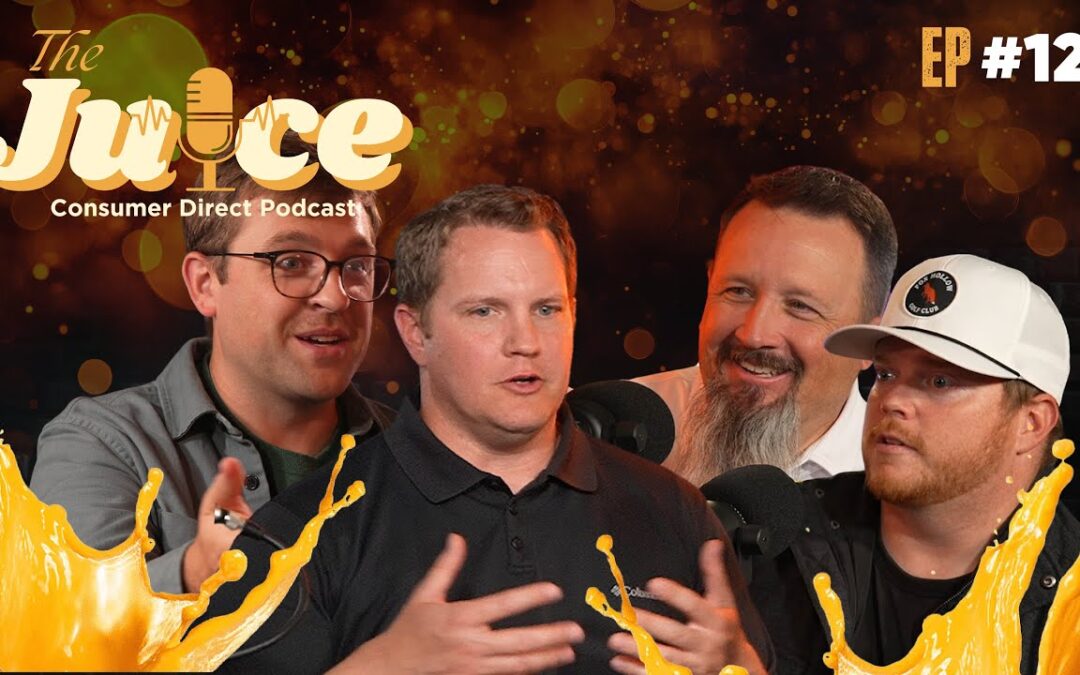
Most sales organizations talk about culture. Fewer can point to a 6–7% attrition rate at a contact center as proof it works. In Episode 12 of The Juice Consumer Direct Podcast, Squeeze leaders Jacob Thorpe, Carson Poppenger, and Justin Jump dissect the specific practices—from first-round interviews to executive feedback loops—that keep their team aligned, motivated, and performing.
Recruiting: Coachability and Reliability Above All Else
Justin Jump, who leads recruiting, says skills can be taught; character can’t. His two non-negotiables when screening candidates are coachability and reliability, backed by a drive to succeed that no manager can manufacture for someone. The proof is in the numbers: 87% of new hires hit a performance bonus in their first week—a figure the panel attributes directly to hiring discipline, not just training quality.
To surface coachability in interviews, Justin asks candidates to recount a specific moment they received feedback and acted on it. A ready, self-aware answer signals the self-development mindset the team needs; a long, defensive pause signals the opposite.
Incentive Plans That Actually Motivate
Carson Poppenger’s guiding principle: compensation must be attainable and equitable at every level—agent, team lead, manager, and account manager. He’s seen firsthand how bonus structures pegged at “50% better than the top tier” simply cause people to quit before they ever earn. Squeeze’s approach ties pay to behaviors and outcomes each person can control, so effort at any performance tier is rewarded.
A critical safeguard: a quality “kicker” that reduces commission if compliance checks reveal false or manipulated performance. This single mechanism aligns financial incentives with client-side quality simultaneously.
Transparency as an Accountability Engine
Leaderboards are visible to everyone on the floor. Daily GM calls review every campaign’s financial and performance health with full leadership present. Jacob Thorpe argues that this radical transparency makes accountability almost self-enforcing—when everyone can see the data, it becomes immediately obvious when someone is off-track or, worse, distributing blame rather than taking ownership.
The panel identifies “privatizing success and distributing blame” as one of the most toxic patterns in any organization, dangerous at every level from agent to executive.
Coaching Everyone—Including Your Top Performers
A counterintuitive insight from the group: top performers need quality-assurance attention too. An agent posting two times the results of their peers is a signal to investigate method, not just celebrate output. Outlier results may be non-repeatable or, in the worst case, compliance risks. High performers also need ongoing challenge and feedback to stay engaged rather than plateauing and leaving.
Culture as a Competitive Moat
The panel closes with a “Boys in the Boat” analogy—diverse backgrounds, unified direction. When values and goals are truly aligned top to bottom, a single person rowing out of sync becomes immediately visible. That visibility, combined with a commitment to address issues fast rather than let them fester, is what keeps the culture self-reinforcing rather than self-destructing.
- Consistency, transparency, and accountability are the three pillars the hosts name as non-negotiable.
- Address cultural issues immediately—delay makes them exponentially harder to fix.
- Protect the culture deliberately; a strong inbound pipeline of applicants and referrals is a byproduct of a culture worth joining.
Coachability, reliability, and then having a drive and determination to want to be successful—you got to have that. We can't bring that for you.
— Justin Jump
The most toxic pattern you can see in the workplace is someone who privatizes success and distributes blame.
— Jacob Thorpe
If the better you do the more you can earn, and there's ROI for the company, why wouldn't we want to incentivize them to keep leveling up?
— Carson Poppenger
Consistency, transparency, and accountability—when they're present in a business you can tell and you can feel it.
— Jacob Thorpe
Episode chapters
- 00:11 — Welcome & Episode Introduction
- 00:41 — Recruiting for Coachability and Reliability
- 02:04 — How Culture Builds on Itself: Attrition & Retention
- 05:34 — Designing Equitable Sales Incentive Plans
- 08:07 — The Boys in the Boat: Aligning Goals Top to Bottom
- 10:25 — Quality Kickers and Accountability Systems
- 15:31 — How to Screen for Coachability in Interviews
- 17:55 — Transparency, Leaderboards & Daily Performance Reviews
- 21:07 — Coaching Top Performers and Spotting Outliers
- 27:19 — Final Takeaways: Consistency, Transparency, Accountability
Frequently asked questions
What is a realistic attrition rate for a sales contact center?
Industry attrition at sales contact centers is typically very high—often 30–50% or more annually. Squeeze reports a 6–7% attrition rate, which the panel describes as virtually unheard of in the industry.
What should you look for when hiring salespeople?
According to Squeeze's recruiting lead, coachability and reliability are the two most critical traits. Sales skills can be taught, but a lack of self-awareness or dependability is extremely difficult to overcome through training.
How do you build a sales incentive plan that retains employees?
Make bonuses attainable at multiple performance tiers so that every rep can earn more by doing more. Avoid structures where meaningful rewards require top-of-market output, as these cause people to disengage and quit before ever hitting the threshold.
How do you identify coachability in a job interview?
Ask candidates to describe a specific time they received feedback and how they responded. A detailed, self-aware answer indicates someone who actively works on their own development; vague or defensive answers are a red flag.
Why should managers pay attention to top-performing sales reps?
Outlier results can indicate non-compliant or non-repeatable methods that pose quality or regulatory risks. Top performers also need ongoing coaching and challenge to stay engaged and to avoid plateauing.
How does workplace transparency improve accountability?
Visible leaderboards and open performance reviews give every team member real-time data on how they and their peers are doing, making it much harder to obscure poor performance or shift blame—and easier for leaders to intervene early.